
There is a particular kind of hurt that can be difficult to put into words when it comes from your healing childhood trauma. It is the hurt of wanting to feel loved, understood, protected, and accepted by the very person you instinctively looked to for those things growing up. It is the ache of wondering why something that seemed to come so naturally to other daughters felt so difficult in your own relationship with your mom.
Perhaps your mother was critical, emotionally unavailable, controlling, unpredictable, or difficult to please. Maybe she loved you in the ways she knew how but struggled to recognize your emotional needs. You might have grown up feeling responsible for her happiness, walking on eggshells to avoid upsetting her, or constantly trying to earn the approval you so desperately wanted.
The most difficult part is that you love her. You recognize her struggles, her history, and the things she experienced growing up. You may even understand why she became the mother she was. Understanding her does not make the wounds disappear.
This is what many women begin to recognize as the mother wound.
The mother wound describes the emotional and relational pain that can develop when a daughter's relationship with her mother does not provide the nurturing, security, acceptance, and emotional connection she needed during childhood. It is not a formal mental health diagnosis, but it can be a meaningful way to understand how early maternal relationships influence emotional development and adult relationships.
As a Christian counselor, I believe there is room to acknowledge both the complexity of these relationships and the opportunity for healing. We can extend grace to our mothers without minimizing our experiences. We can recognize their own wounds without making ourselves responsible for carrying them.
Perhaps most importantly, we can begin to grieve the mother we needed while learning to become the nurturing, protective, and compassionate woman we needed growing up.
What Is the Mother Wound, and How Does It Develop?
The mother wound is not necessarily the result of one traumatic event or an obviously abusive childhood. Sometimes, it develops through years of smaller experiences that communicate something painful to a daughter about her worth, her emotions, and her place in the relationship.
A mother may provide food, clothing, shelter, and other physical necessities while struggling to provide emotional availability. She may attend school events, celebrate birthdays, and make sacrifices for her children while also being critical, dismissive, or emotionally unpredictable.
These experiences can coexist.
A daughter may genuinely recognize the good her mother provided while also acknowledging what was missing.
Some common experiences that contribute to a mother wound include:
Emotional neglect: Your feelings were dismissed, minimized, ignored, or treated as inconvenient.
Conditional acceptance: You felt most loved when you behaved a certain way, achieved something, or met your mother's expectations.
Chronic criticism: You regularly felt judged, corrected, compared, or made to feel inadequate.
Emotional immaturity: Your mother struggled to manage her own emotions and frequently expected you to accommodate them.
Parentification: You became the emotional caretaker, confidante, or mediator in your relationship with your mother.
Enmeshment: Your mother struggled to recognize your individuality, independence, or need for privacy and personal boundaries.
Inconsistent affection: You never quite knew whether you would receive warmth, rejection, criticism, or emotional distance.
Not every difficult interaction creates a lasting wound. Parenting is imperfect, and mothers are human. There are times when mothers make mistakes, misunderstand their daughters, and fall short of their own intentions.
However, when certain patterns become the foundation of the relationship, they can shape how a daughter understands herself and relates to others.
The mother wound is often less about a single memory and more about the beliefs a daughter develops after repeatedly experiencing the same relational dynamics.
How Does Your Relationship With Your Mother Affect Your Adult Life?
One of the most important things to understand about childhood relationships is that they help establish our early expectations of connection.
Attachment theory helps explain how children develop expectations about whether other people will be emotionally available, whether their needs will be met, and whether relationships are safe.
A child who experiences consistent responsiveness and emotional security has opportunities to develop a secure attachment. When caregiving is unpredictable, dismissive, frightening, or emotionally unavailable, a child may develop insecure attachment patterns.
These early experiences do not determine your future, and attachment patterns can change. However, they can influence how you approach relationships as an adult.
For example, you might:
Feel anxious when someone seems disappointed in you.
Struggle to believe someone genuinely loves you without having to earn it.
Become overly responsible for other people's emotions.
Have difficulty expressing your needs.
Feel uncomfortable receiving help or support.
Interpret disagreement as rejection.
Find yourself attracted to emotionally unavailable people.
Experience guilt when you prioritize your own needs.
You may even find yourself repeating familiar relationship dynamics without consciously recognizing them.
For example, a woman who grew up working hard to earn her mother's approval might find herself in adulthood working equally hard to earn the approval of her spouse, friends, coworkers, or other family members.
She may become the dependable one, the accommodating one, and the one who rarely asks for anything in return. She might even feel uncomfortable when someone treats her with consistent kindness because healthy emotional availability feels unfamiliar.
These environments taught you relational strategies that helped you maintain connection, avoid conflict, and feel emotionally safe. Those strategies served a purpose in childhood, but they no longer serve you in adulthood.
Recognizing these patterns is not about blaming your mother for the difficulties you experience today. It is about understanding where certain beliefs and behaviors may have originated so you can begin making different choices.
Did You Become Responsible for Your Mother's Emotions?
Parentification occurs when a child takes on responsibilities that belong to the parent, particularly emotional responsibilities. Rather than consistently receiving care, the child becomes someone who provides it.
This can happen in families where a mother is emotionally overwhelmed, struggles with relationships, experiences significant distress, or depends heavily on her daughter for emotional support.
You might have been the child who listened to your mother's problems, comforted her when she was upset (sometimes under the guise of “please pray for me about …”) or tried to keep the peace when family relationships became difficult.
You may have learned to avoid sharing your own struggles because your mother already had enough to deal with.
Maybe you became the mediator between your mother and father, the person who anticipated everyone's moods, or the daughter who knew how to say exactly the right thing to keep your mother from becoming upset.
Over time, you may have learned that being needed was one of the most reliable ways to maintain connection.
This can have significant consequences in adulthood.
Women who experienced parentification sometimes struggle to distinguish between compassion and responsibility. They may feel responsible for fixing other people's problems, managing emotional situations, and preventing others from experiencing disappointment. They may also struggle to recognize when a relationship has become one-sided.
You might find yourself thinking:
If I don't help, who will?
I can't tell her how I really feel because it will upset her.
I should be more understanding.
She has been through so much. I don't want to make things harder.
I feel selfish when I put myself first.
Compassion is a beautiful quality, and it does not require you to become responsible for everyone else's emotional well-being.
You can care about your mother without becoming her emotional caretaker. You can recognize her struggles without making them your responsibility to resolve. You can begin learning that your needs deserve attention too.
Why Do You Still Feel Like You're Never Enough?
For some daughters, the mother wound develops through years of criticism, comparison, unrealistic expectations, or conditional approval.
Perhaps you were praised for your accomplishments but rarely acknowledged for who you were, or your mother frequently pointed out what you could have done better, compared you to siblings or other children, and made comments about your appearance, personality, choices, or abilities.
You may have grown up believing that if you could just do a little more, behave a little better, or become a little more like what your mother wanted, you would finally feel accepted.
These experiences can contribute to deeply rooted beliefs about personal worth.
In adulthood, those beliefs may sound like:
I'm too much.
I'm never enough.
I need to do more to be valuable.
Other people's needs matter more than mine.
I shouldn't disappoint anyone.
If someone is upset with me, I must have done something wrong.
This is one reason perfectionism and people-pleasing can be so difficult to change. These traits are adaptations to an environment where acceptance felt dependent on performance.
You may have learned to monitor yourself constantly, anticipating criticism before it happens, overthink conversations, replay interactions, and feel compelled to explain yourself whenever someone misunderstands you.
Even when you are no longer living under your mother's roof, you may still be measuring yourself against the internal standard you developed growing up.
Healing involves recognizing that you do not have to spend the rest of your life trying to become someone who is finally acceptable.
Your worth is not something you have to earn. I praise you because I am fearfully and wonderfully made; your works are wonderful, I know that full well. – Psalm 139:14
Why Is It So Difficult to Set Boundaries With Your Mother?
Setting boundaries with a mother can bring up emotions that are surprisingly intense, even for women who are otherwise confident and capable.
You may be able to establish boundaries at work, with friends, or in other relationships but feel completely different when it comes to your mother.
At the core, this is because boundaries can challenge deeply established family roles.
If you grew up being the agreeable daughter, the responsible daughter, or the one who never caused problems, asserting your needs may feel like a betrayal of the relationship norms.
You might anticipate criticism, guilt, emotional withdrawal, or accusations that you are being disrespectful. You may even feel guilty before you have said anything.
For Christian women, these struggles can become even more complicated because of what Scripture teaches about honoring parents.
Ephesians 6:1-4 addresses both children and parents. Children are instructed to honor their parents, while fathers are also instructed not to provoke their children to anger but to bring them up with care and instruction in the Lord.
The passage does not present parental relationships as though only the child's responsibilities matter. It also places responsibility on parents for how they treat and raise their children.
Honoring your mother does not require you to pretend that harmful behavior is healthy. It does not mean you must tolerate repeated disrespect, surrender your individuality, or allow someone unlimited access to your life.
Boundaries are not necessarily a rejection of your mother either. They are a way of honoring what is healthy and appropriate within a relationship.
Sometimes a boundary means changing the subject when a conversation becomes critical. Other times it means sharing less personal information or limiting the amount of time you spend together. In extreme circumstances, such as when there is ongoing harm, more substantial distance may be necessary.
The goal is not to punish your mother. The goal is to recognize that you are an adult with your own emotional needs, responsibilities, and relationship with God.
You can approach boundaries with humility and compassion without abandoning yourself in the process.
How Do You Honor Your Mother When She Has Hurt You?
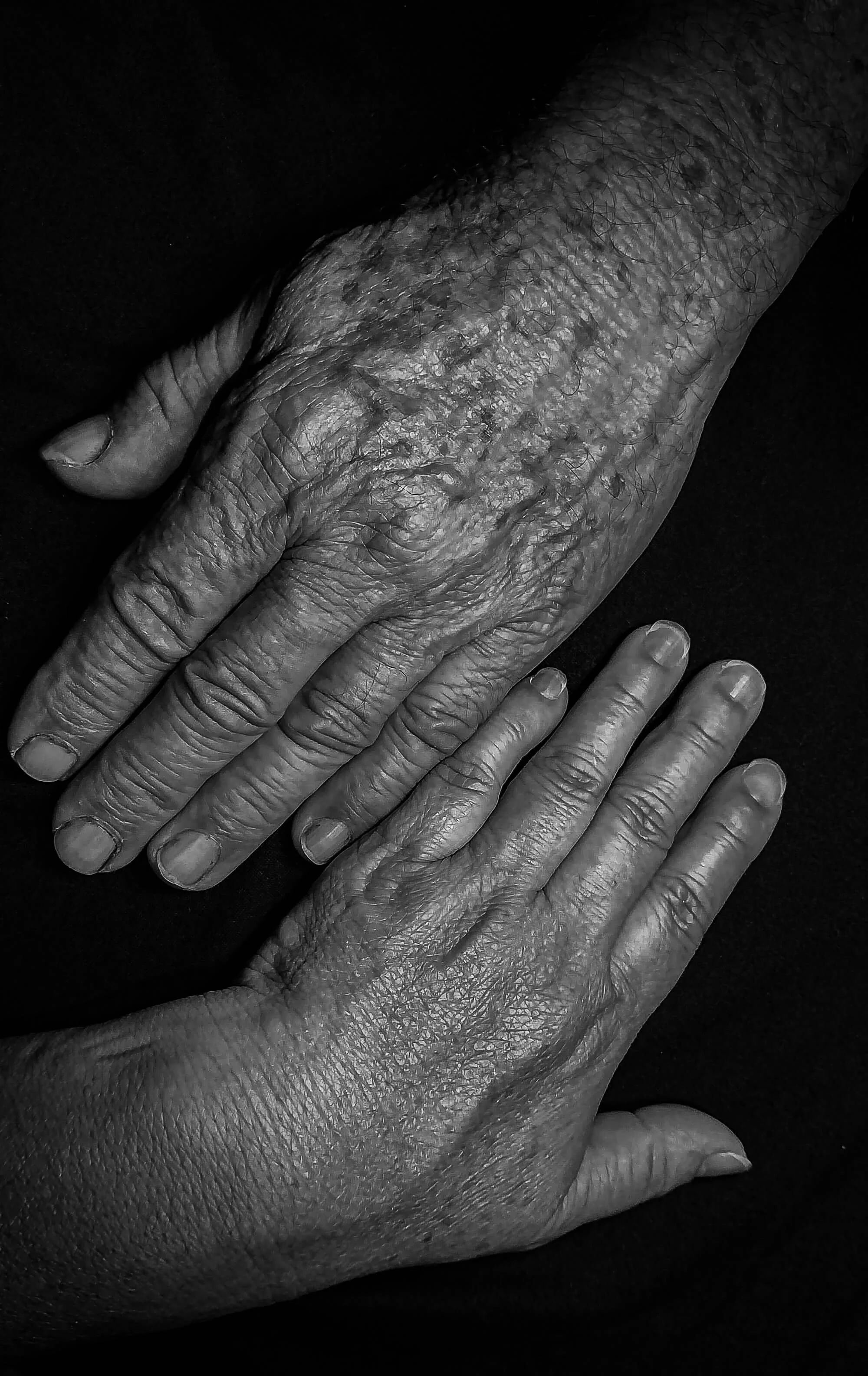
This is a particularly difficult question for Christian women because the desire to honor God can sometimes become tangled with the desire to avoid disappointing our mothers.
You might wonder whether acknowledging your mother's shortcomings is disrespectful. You may feel guilty for being angry, grieving what you didn't receive, or recognizing that your childhood was more painful than you previously allowed yourself to believe. You may also feel pressure to maintain a relationship that continues to leave you emotionally exhausted.
There is a huge difference between honoring your mother and accepting every behavior within the relationship. You can acknowledge that your mother made sacrifices for you while also recognizing the ways she wasn’t fully there. You can appreciate what she provided while grieving what she could not provide. You can extend compassion to her history without denying your own experiences. You can choose to respond with kindness and grace without agreeing to participate in unhealthy relational patterns.
Sometimes Christian women believe that acknowledging their pain means they are being unforgiving or ungrateful.
I would encourage you to consider a different perspective. God does not ask you to deny reality in order to demonstrate love. Biblical love and grace do not require pretending that harmful behavior is harmless. Grace at its core means forgiveness we didn’t have to earn. This allows us to recognize another person's humanity without making excuses for everything they do.
You do not have to rewrite your childhood to protect your mother's reputation. Nor do you have to condemn your mother to acknowledge that something important was missing in your relationship.
Both realities can exist.
What Does Forgiveness Look Like When Your Mother Has Hurt You?
Forgiveness can feel like a complicated F word, especially when the person who hurt you has never acknowledged the pain they caused.
Perhaps your mother has never apologized. Maybe she dismisses your experiences, insists you are remembering things incorrectly, or becomes defensive whenever you attempt to discuss the past.
You may have spent years quietly praying that one day she will understand. You might still be waiting for her to say, "I'm sorry. I didn't realize how much that hurt you."
While that acknowledgment would likely mean something to you, your healing cannot depend entirely on whether she eventually provides it. From a Christian perspective, forgiveness is not the same as excusing someone's actions or pretending the consequences never existed.
Romans 12:17-21 addresses the Christian response to wrongdoing. Paul instructs believers not to repay evil for evil, to pursue peace as far as it depends on them, and to leave room for God's judgment rather than taking vengeance into their own hands.
Forgiveness can mean surrendering the consequences of your mother's actions to God rather than continuing to carry the anger and resentment every day. It is choosing not to make your life revolve around what happened, what should have happened, or whether your mother will ever take responsibility.
This does not mean you will never feel angry or hurt again, and actively having those emotions doesn't mean you cannot grieve, remember, or acknowledge the impact of your childhood. It also doesn’t mean you have to reconcile a relationship unless God is calling you to it.
Forgiveness and reconciliation are not identical. Reconciliation requires participation from both people. It generally involves honesty, accountability, changed behavior, and a willingness to rebuild trust.
Forgiveness, however, can begin even when the other person is unwilling to participate. You can surrender your desire for revenge without surrendering your boundaries. You can release the expectation that your mother will become the person you needed without pretending that her limitations did not hurt you. You can entrust what you cannot resolve to God.
This is often a process rather than a single decision. You may need to revisit the hurt as you uncover different layers of your childhood experiences. Give yourself permission to work through that process without condemning yourself for not feeling completely healed overnight.
How Do You Grieve the Mother You Needed but Didn't Have?

When people consider grief it is often associated with death or the loss of a relationship, but you can grieve something that still exists.
You might be grieving the:
Emotional safety you wanted but did not experience
Mother who was physically present but emotionally unavailable.
Childhood moments when you needed comfort, reassurance, protection, or encouragement and did not receive them.
Relationship you hoped you would have as an adult.
Sometimes the hardest part of the grief is recognizing that the mother you needed may never exist. You may have spent years trying different approaches, explaining your feelings, adjusting your expectations, and hoping that something would eventually change.
You may have inaccurately thought that if you became a better daughter, she would become more nurturing, holding onto hope that once you were an adult, your relationship would naturally improve.
Recognizing that the relationship may have limitations can bring a particular kind of sadness.
Psalm 27:10 offers a meaningful reminder of God's faithfulness. In this Psalm, David expresses confidence in God amid threats and uncertainty, declaring that even if his father and mother forsake him, the Lord will receive him. The passage expresses a deep confidence: God's care is not dependent on the reliability of human relationships.
Even when the people who were supposed to provide security fall short, you are not beyond God's care. There is room to bring your grief to Him. You do not have to minimize it, rush through it, or convince yourself that it should not hurt.
Healing begins when you finally allow yourself to say, "I needed more than I received."
Can You Become the Nurturing Mother You Needed?
One of the most hopeful parts of healing is recognizing that your childhood experiences do not have to determine how you treat yourself for the rest of your life.
You may not have received consistent emotional validation growing up, but you can learn to recognize and validate your emotions now. You may have learned to criticize yourself, but you can begin developing a more compassionate internal voice. You may have grown accustomed to ignoring your needs, but you can practice recognizing them and responding appropriately.
In many ways, healing involves learning to provide yourself with the emotional care that was missing during childhood.
This is sometimes described through the concept of reparenting.
Reparenting does not mean pretending you can replace everything your mother did or did not provide. It means intentionally developing healthier ways of relating to yourself.
Learning to listen to your emotions. Rather than immediately dismissing your feelings, you can become curious about what they are communicating. Feeling hurt, disappointed, or overwhelmed does not make you unreasonable.
Practicing self-compassion. You can learn to speak to yourself with the same kindness you might offer someone you love. You do not have to criticize yourself into becoming a better person.
Allowing yourself to have needs. You can recognize that needing support, rest, encouragement, and connection is part of being human.
Developing healthier boundaries. You can learn that disappointing someone does not automatically mean you have done something wrong.
Building secure relationships. You can begin recognizing people who demonstrate consistency, mutual respect, emotional availability, and genuine care.
Reconnecting with your identity. You can explore who you are outside of the expectations, roles, and labels that developed within your family.
For Christian women, this process can also involve examining the difference between the beliefs you developed about yourself growing up and what Scripture teaches about your identity in Christ.
You are not required to spend your adulthood trying to prove that you are worthy of love.
Matthew 11:28-30 records Jesus inviting those who are weary and burdened to come to Him. He describes Himself as gentle and humble in heart and offers rest to those who come to Him. In its original context, Jesus is inviting people who are burdened by the weight of life and the demands of religious striving to come under His teaching and care.
For a woman who has spent much of her life trying to earn acceptance, this invitation can be a huge relief.
You do not have to approach God as another person whose approval you must earn through perfect behavior. You can bring your weariness, your questions, and your pain to Him.
Healing involves learning to live from a place of security, grace, and truth rather than continuing to organize your life around old wounds.
What Does Healing the Mother Wound Look Like in Christian Counseling?
Healing from the mother wound is not necessarily about changing your relationship with your mother. It is about changing the relationship you have with yourself, understanding the impact of your childhood, and developing healthier ways of relating to others.
This can include working through specific childhood memories, recognizing long-standing patterns of people-pleasing, perfectionism, emotional caretaking, or difficulty establishing boundaries. In Christian counseling, there is an opportunity to explore these experiences through both a clinical and Biblical perspective.
Depending on your needs, counseling may involve:
Exploring attachment patterns and how they influence adult relationships.
Identifying beliefs about yourself that developed through childhood experiences.
Processing emotional neglect and unmet childhood needs.
Understanding parentification and the responsibility you may have carried for your mother's emotions.
Recognizing patterns of people-pleasing, perfectionism, and overfunctioning.
Developing healthier emotional boundaries with family members.
Processing grief, anger, disappointment, and unresolved relational experiences.
Exploring forgiveness and what it means to surrender resentment to God.
Reconnecting with your identity, values, and sense of purpose.
Learning to establish relationships built on mutual respect, safety, and emotional availability.
For some women, approaches such as EMDR may also be helpful when working through distressing memories and experiences associated with childhood relationships.
The process is individualized. You do not have to begin by discussing every painful memory or making decisions about your relationship with your mother. Perhaps you are tired of feeling guilty whenever you say no, or you struggle to trust your own judgment or feel responsible for keeping everyone around you happy. These are meaningful places to begin.
An important part of healing is having a safe therapeutic relationship where your experiences can be explored without judgment, where your faith is respected, and where you can begin recognizing patterns that may have gone unnoticed for years.
Most importantly, healing is not about becoming angry at your mother or spending the rest of your life defining yourself by what happened. It is about making room for a different future. You can extend grace to your mother and compassion to yourself. You can acknowledge your childhood without remaining trapped in it. You can love others without abandoning yourself.
You can begin living as the woman God created you to be.
Schedule a Free 20-Minute Consultation
If you recognize yourself in these experiences, you may be ready to explore what healing could look like for you.
You do not have to wait until your relationships become unbearable or until you have all the connections made cognitively before seeking support.
I provide online Christian counseling for women who are navigating childhood and relational trauma, difficult family dynamics, anxiety, and relationship struggles.
My approach integrates clinical counseling with Christian faith, creating space to explore the experiences that have shaped you while developing healthier ways of relating to yourself and others.
I understand that reaching out for counseling can feel vulnerable, especially when you have spent much of your life feeling responsible for everyone else's emotions. You do not need to have the right words or know exactly where to begin.
I invite you to schedule a free 20-minute consultation so we can discuss what you are experiencing, what you hope to work toward, and whether working together may be a good fit.
Healing can begin with one conversation. Sometimes recognizing one pattern opens the door to understanding several others.
If you found this article helpful, I invite you to explore more of my blog articles. I write about childhood and relational trauma, family dynamics, emotional boundaries, people-pleasing, anxiety, and the process of developing healthier relationships.
My hope is that these resources help you better understand yourself, recognize patterns that may be keeping you stuck, and find encouragement as you continue your healing journey.
Online Christian Counseling for Women: Additional Areas of Support
The mother wound is just one of the many ways childhood experiences and difficult relationships can influence your emotional well-being.
I offer online Christian counseling for women navigating a variety of concerns, including:
Christian Counseling: Exploring your experiences through a Christian perspective while developing a deeper understanding of your identity, values, and relationship with God.
Healing Childhood Trauma: Working through painful experiences, dysfunctional family patterns, emotional neglect, and the lasting effects of difficult relationships.
Anxiety and Overwhelm: Understanding anxious thought patterns, emotional responses, and the experiences that may contribute to feeling constantly on edge.
Women in Ministry: Navigating the unique pressures of ministry, including burnout, church hurt, blurred boundaries, and the weight of caring for others while learning to care for yourself.
EMDR Therapy: Using an evidence-based approach to help process distressing experiences and memories that continue to affect your present life.
I provide online Christian counseling to women located in Ohio, Michigan, Pennsylvania, Maryland, South Carolina, and Florida.
My work is centered on helping women heal from the experiences that have shaped them, develop healthier relationships, and move beyond the belief that they are either too much or never enough.
You deserve the opportunity to experience greater freedom, authenticity, and peace—not because your past was insignificant, but because it does not have to define your future.